Founder, Research & Development
Toma Okugawa
奥河 董馬
Information Science and Technology Department (3rd year), National Institute of Technology, Yuge College
Low-light vision for inspection
Light in the Dark.
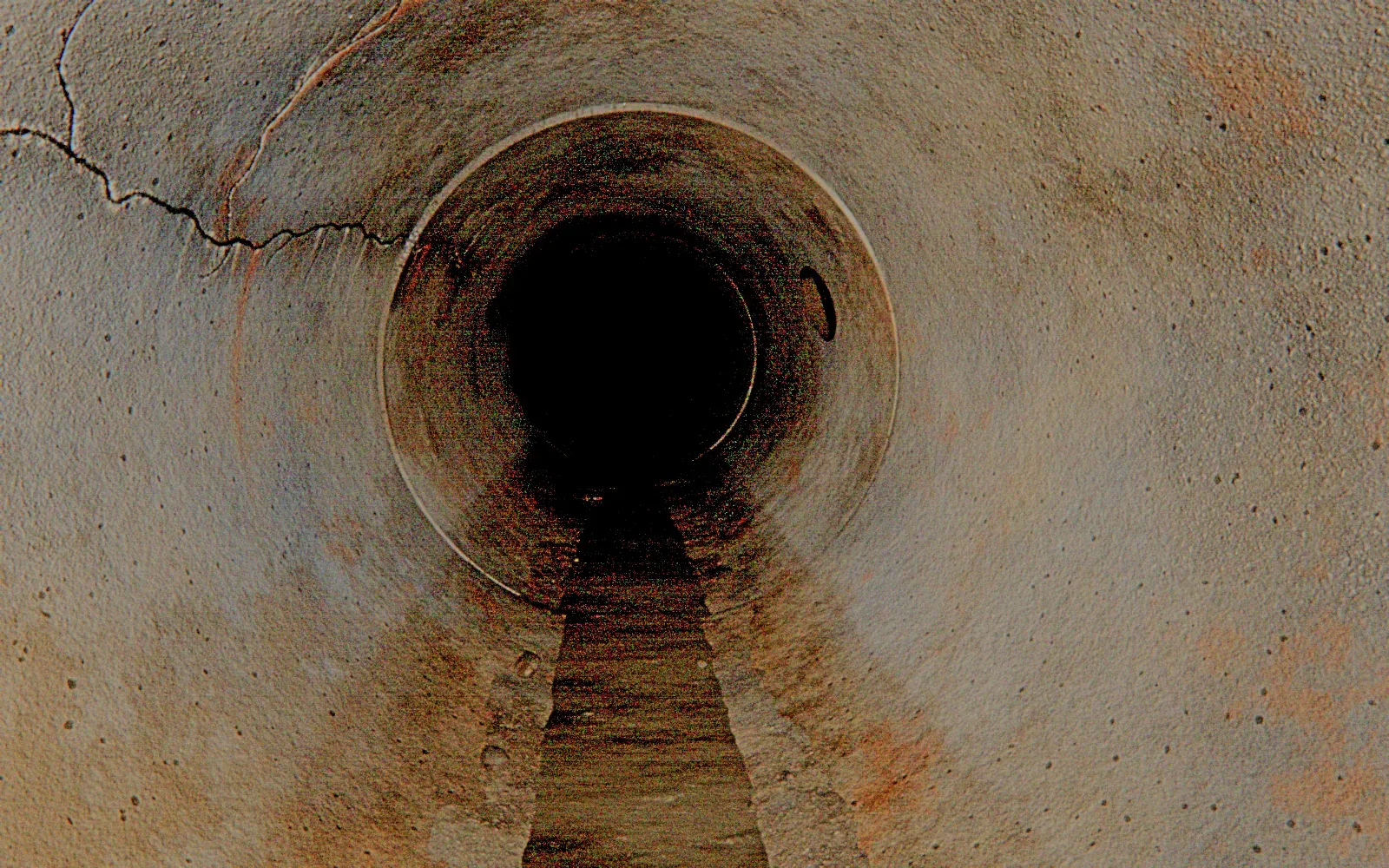
Beacon builds on SD-Retinex, our own training-free low-light enhancement method that runs on an ordinary CPU. It brings clarity to footage captured where light cannot reach — sewer pipes, ship tanks, plant interiors — offline, on the PC already on site, so that inspectors can find what matters.
02Mission
Some inspection sites are beyond the reach of both light and networks. Beacon builds reliable “eyes” for exactly those places — no footage leaves the site, and no special equipment is needed. With the cameras and PCs already at hand, we help make sure nothing important goes unseen.
A society where no risk goes unseen — beyond the barriers of confidentiality and connectivity.
03Challenge
Sewer pipes, ship ballast tanks, plant interiors, bridge box girders, utility tunnels: enclosed spaces where no one works permanently fall outside lighting standards and stay dark day and night. Portable lighting and camera distance are limited, and dark footage is hard to read — for people and for AI alike.
490,000km
Approximate total length of sewer pipes in Japan. Pipes past their 50-year standard service life are projected to reach about 40% (about 200,000 km) within 20 years.
Source: MLIT, “Current state of water and sewerage”(opens in a new tab)
443accidents
Accidents at designated petrochemical complexes in Japan in 2024. Of the non-earthquake accidents, 56% had physical causes such as corrosion and deterioration of piping.
Source: Fire and Disaster Management Agency (May 28, 2025)(opens in a new tab)
86 / 44%
Share of camera images in which AI correctly identified a bear: 86% of color images (6 of 7) versus 44% of black-and-white images (8 of 18), in a small 2022 field test. The darker the footage, the harder it is for AI.
Source: MLIT Hokuriku Regional Development Bureau (2022)(opens in a new tab)
In dark spaces, image quality varies with the distance between the drone and the subject because of the illumination.
No Entry
Japan’s sewer policy sets “No Entry” — inspection without anyone entering the pipe — as a long-term goal. Technology that reliably reads anomalies from recorded footage is becoming ever more important.
Source: MLIT, Third Recommendations (December 2025)(opens in a new tab)
04Technology
SD-Retinex, Beacon’s core technology, is a Retinex-based low-light enhancement method designed around the derivative of the sigmoid function. It recovers structure and color buried in the dark — without training data and without a GPU.
PSNR
16.47dB
Highest among the training-free methods tested
Color error ΔE00
15.90
Lowest among the training-free methods tested
Speed (18.41 ms per image)
54FPS
Fastest among the training-free methods tested
※ Results on the public LOL eval15 benchmark (15 low-light/ground-truth pairs), with every method scored by the same evaluation code (Okugawa, 2026, Table II). Training-free methods compared: the repository’s implementations of SSR, MSR and LIME-like, plus XCR. SD-Retinex also exceeds the pretrained deep models Zero-DCE and SCI in PSNR and color error. Runtime measured on an AMD Ryzen 7 8840U, single thread, 600×400.
How it works
Step 01
Use existing cameras, drones, sewer TV cameras and archived recordings as they are.
Step 02
SD-Retinex corrects brightness and color and brings out detail hidden in the shadows — fully offline.
Step 03
Beacon highlights anomaly candidates and answers questions in plain language, with the evidence.
05Recognition
At the Tongali Business Plan Contest 2026 (June 2026), Beacon’s business plan for dark-space inspection footage received four awards, including the NICT Award.
06Solutions
Enclosed spaces where lighting is hard to bring in and re-shooting is costly. As post-processing that complements lighting, Beacon makes the most of the footage captured there.
Focus area01
Japan has about 490,000 km of sewer pipes. Beacon enhances in-pipe footage from TV cameras and drones, making cracks, corrosion and infiltration easier to read.
Learn more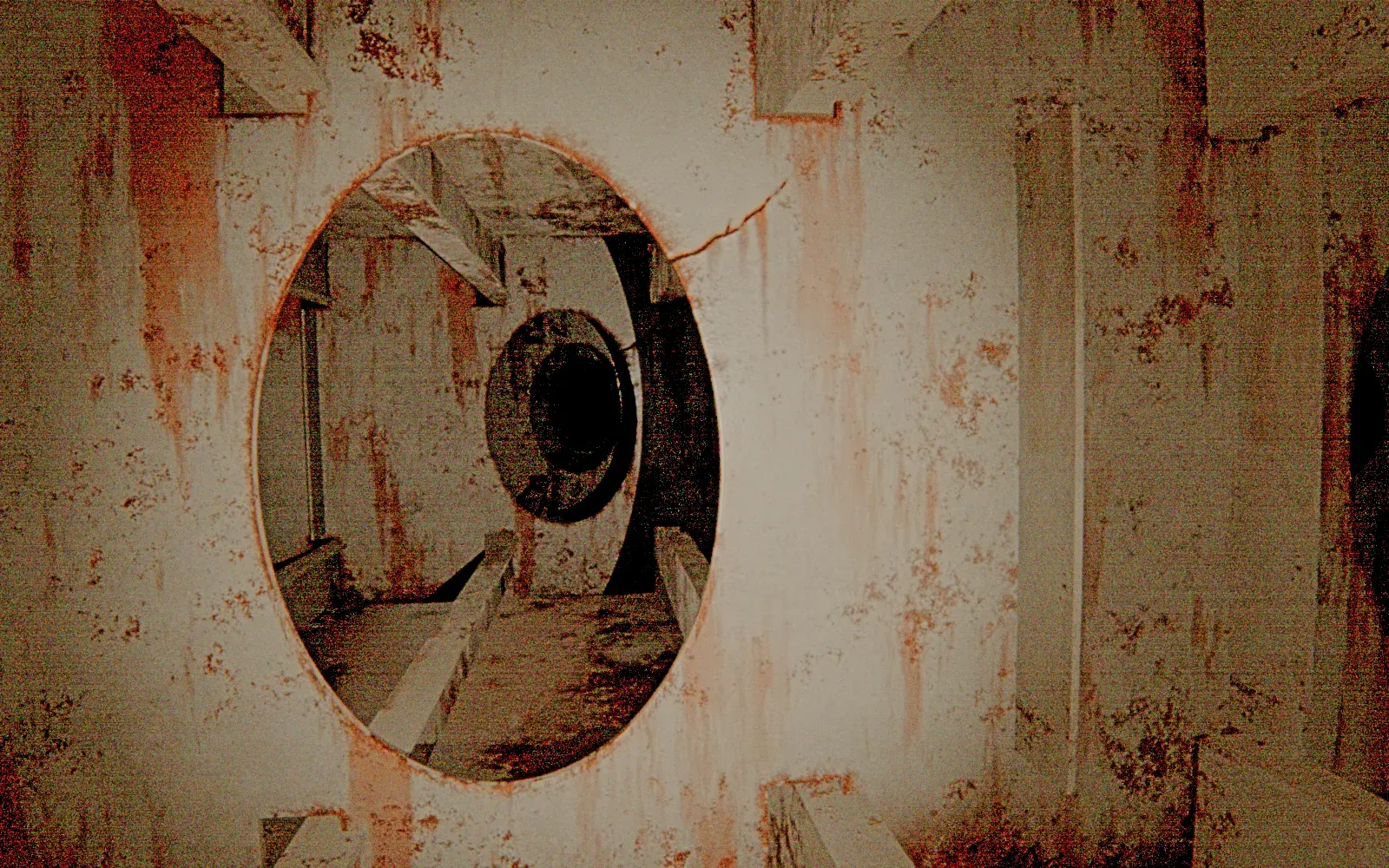 Focus area
02
Ballast tanks, cargo holds and engine rooms — dimly lit enclosed spaces aboard ships. Beacon enhances footage from drones and ROVs on the ship’s own PC, making coating breakdown and corrosion easier to see.
Learn more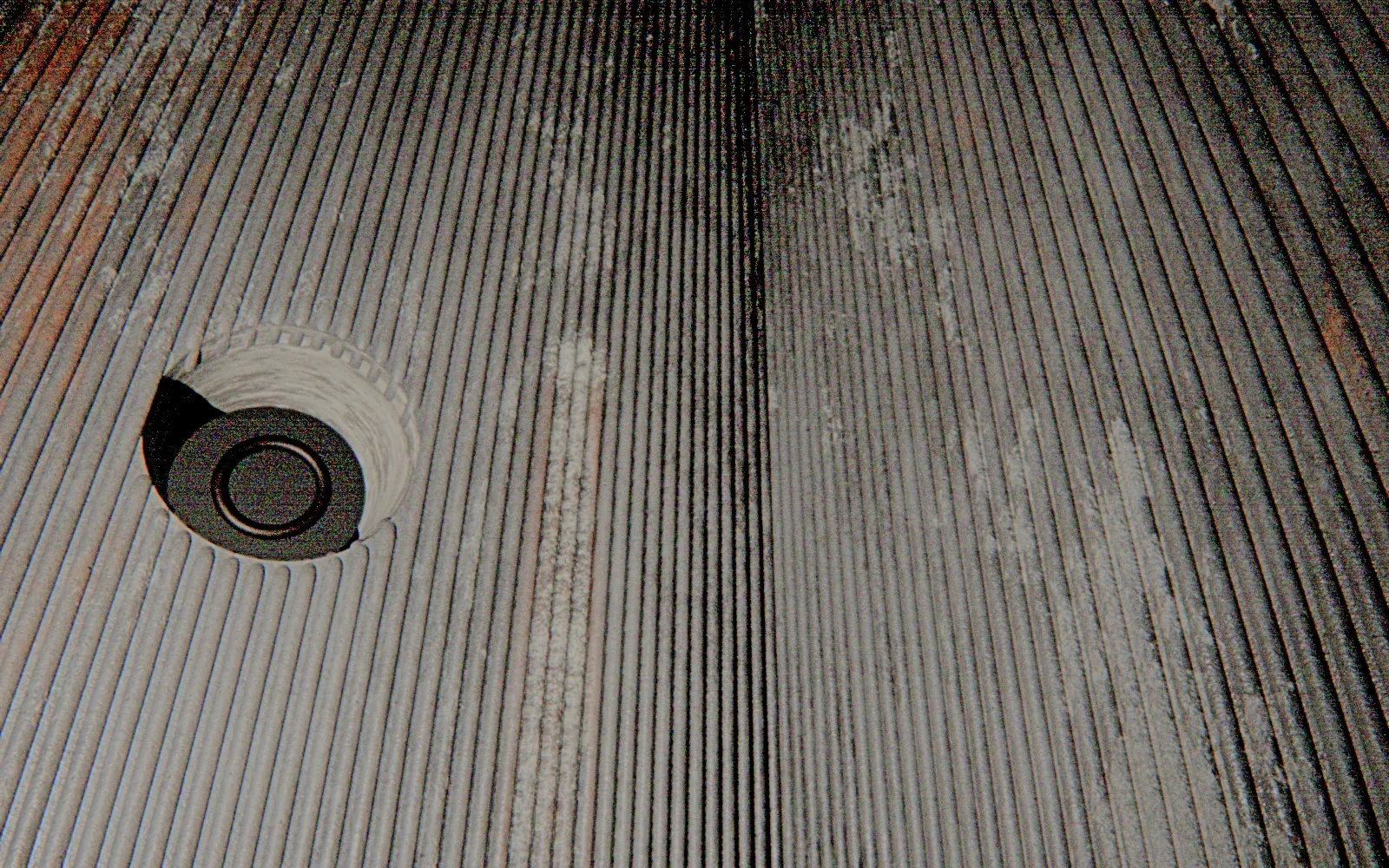 Expansion
03
Inside boilers, flues, ducts and vessels. Beacon helps read signs of corrosion and leaks from footage captured during short inspection windows.
Learn more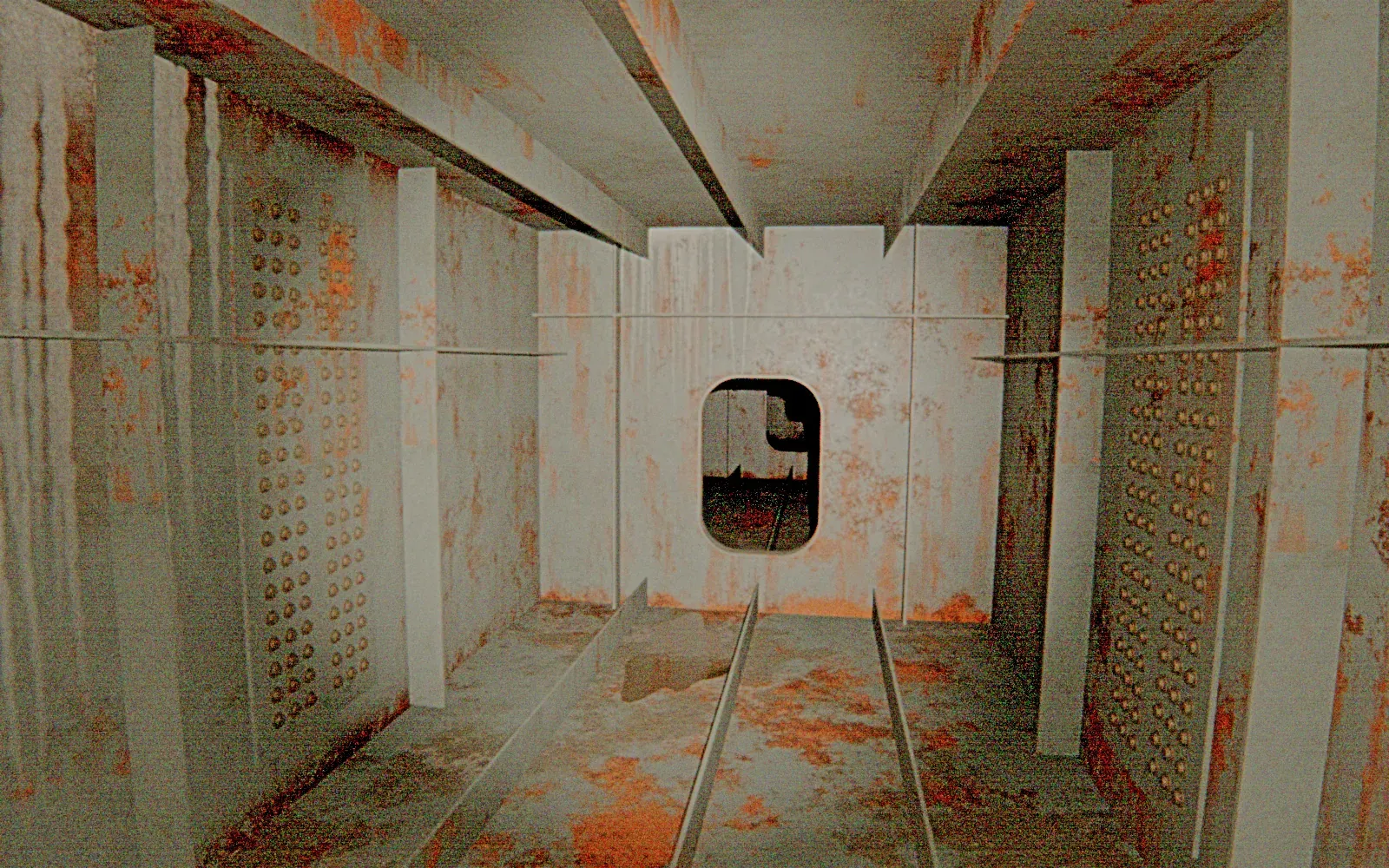 Expansion
04
The dark parts of infrastructure, such as the inside of bridge box girders and tunnels. Beacon helps inspectors read the footage they capture and keep comparable records.
Learn more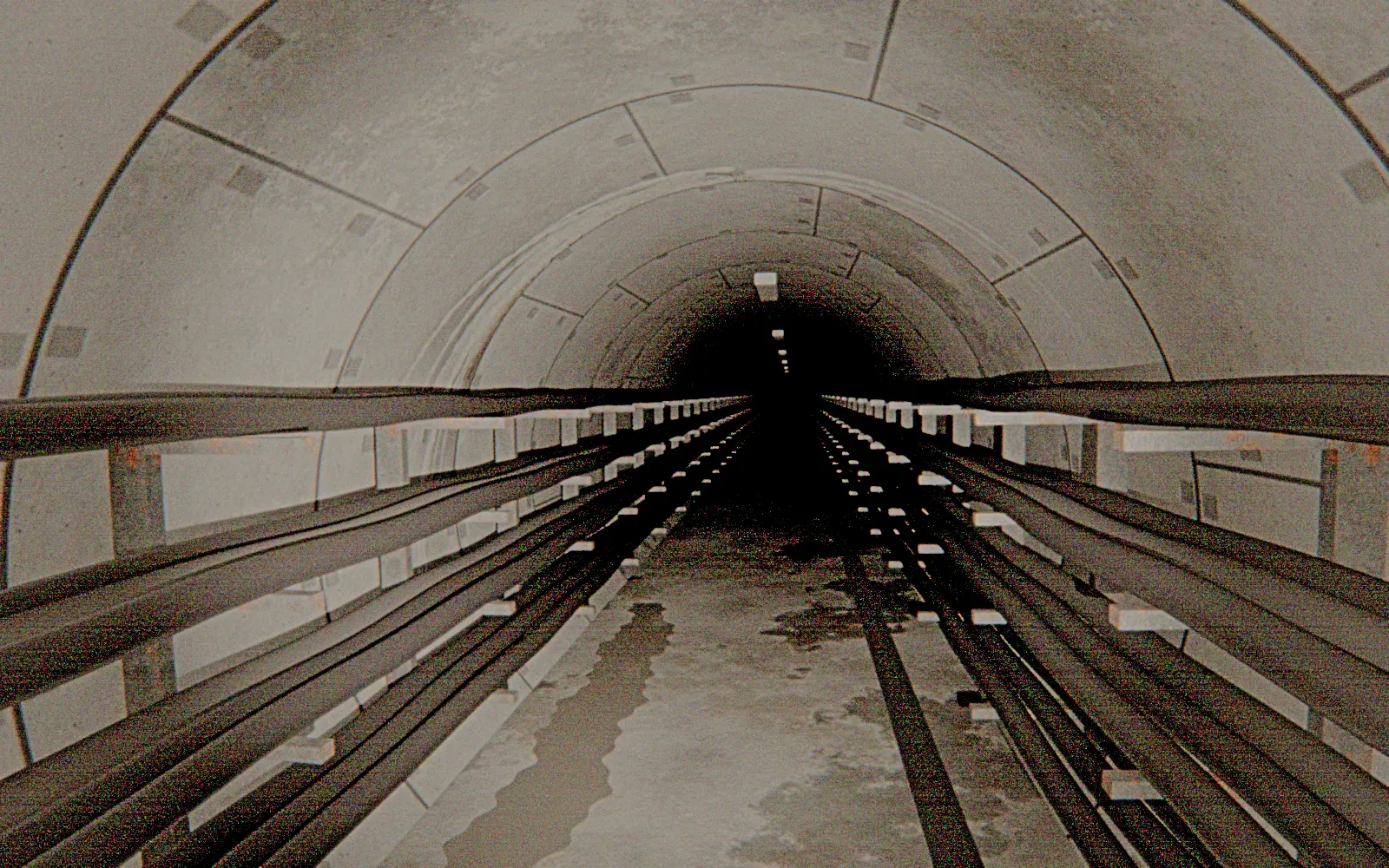 Expansion
05
Underground tunnels carrying power cables and pipes. Beacon makes signs of equipment anomalies easier to read in patrol footage.
Learn more07Team
A low-light imaging researcher, a large-language-model researcher, and a behavioral-economics student with a track record in business competitions. Three people from different fields, taking on one challenge: inspection in the dark.
Founder, Research & Development
奥河 董馬
Information Science and Technology Department (3rd year), National Institute of Technology, Yuge College
Business Development
田 雨竜
International Course (2nd year), Hiroo Gakuen
AI Research
井下 敬翔
Doctoral Program (2nd year), Graduate School of Commerce, Kansai University
08Research
Beacon’s technology grew out of three successive studies by founder Toma Okugawa. All three papers are public, and for the latest, SD-Retinex, the code and evaluation results are open for anyone to check.
A High-Speed and Structure-Preserving Retinex Method Based on a Complex Exponential Kernel: XCR
Proposal of Fast Single-Scale Retinex and Evaluation of Real-Time Skeleton Detection Performance in Low-Light Environments
Contact
We would love to hear from operators with dark inspection footage and from companies and research institutions interested in joint validation.