Use cases

Enclosed spaces where no one works permanently and lighting standards do not apply — “structurally dark spaces.” This is where Beacon puts inspection footage to work.

Focus area

01

Sewer pipes

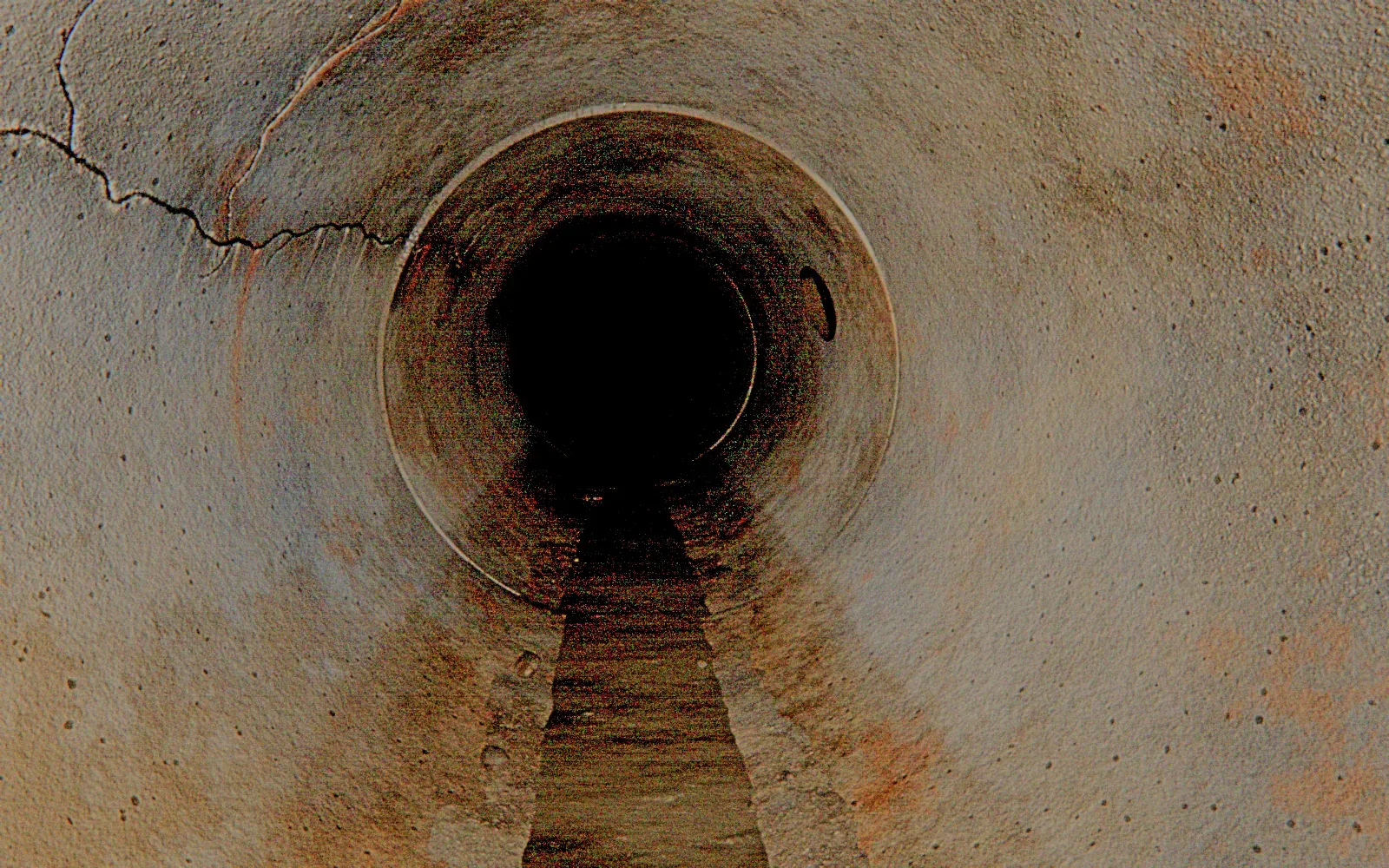
Japan has about 490,000 km of sewer pipes. Beacon enhances in-pipe footage from TV cameras and drones, making cracks, corrosion and infiltration easier to read.

The site
Pipes past their 50-year service life are projected to reach about 40% of the network (about 200,000 km) within 20 years. A special priority survey covered 5,121 km by visual and TV-camera inspection through February 2026 and identified 748 km needing action. Inside, pipes are dark, with steam and reflections off the water.
Direction
The national government’s Third Recommendations (December 2025) set “No Entry” — inspection without people entering pipes — as a long-term goal, making technology that reliably reads anomalies from footage ever more important.
Beacon’s approach
It works on footage from the existing equipment of pipe-survey and drone-inspection companies and runs on PCs in the survey vehicle or office. With no training required, results can be checked on archived footage right away.
Status
Focus area. We are seeking inspection companies for joint trials.

Sources:MLIT, “Current state of water and sewerage”(opens in a new tab)MLIT press release (April 21, 2026)(opens in a new tab)MLIT, Third Recommendations(opens in a new tab)
Focus area

02

Ship compartments

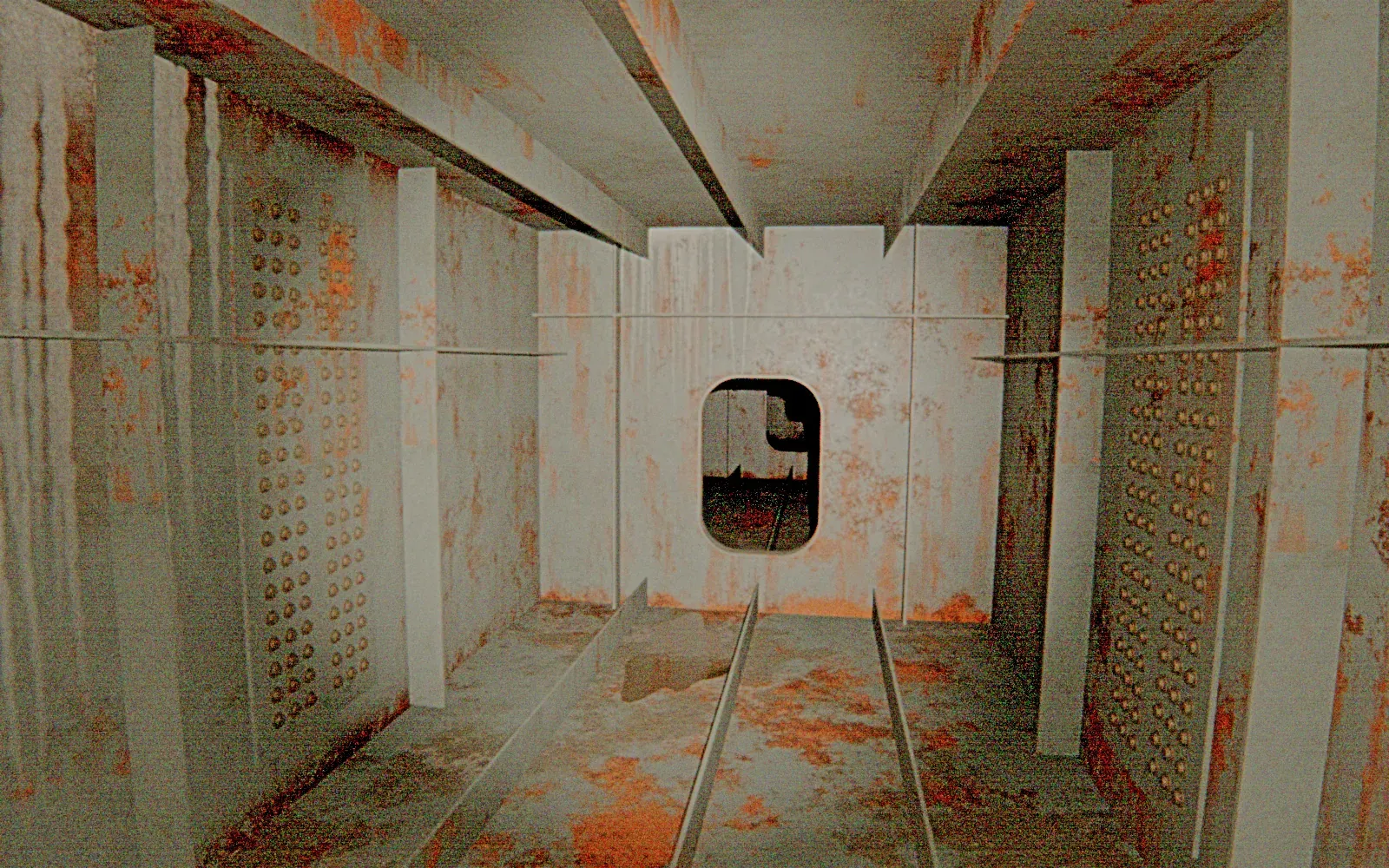
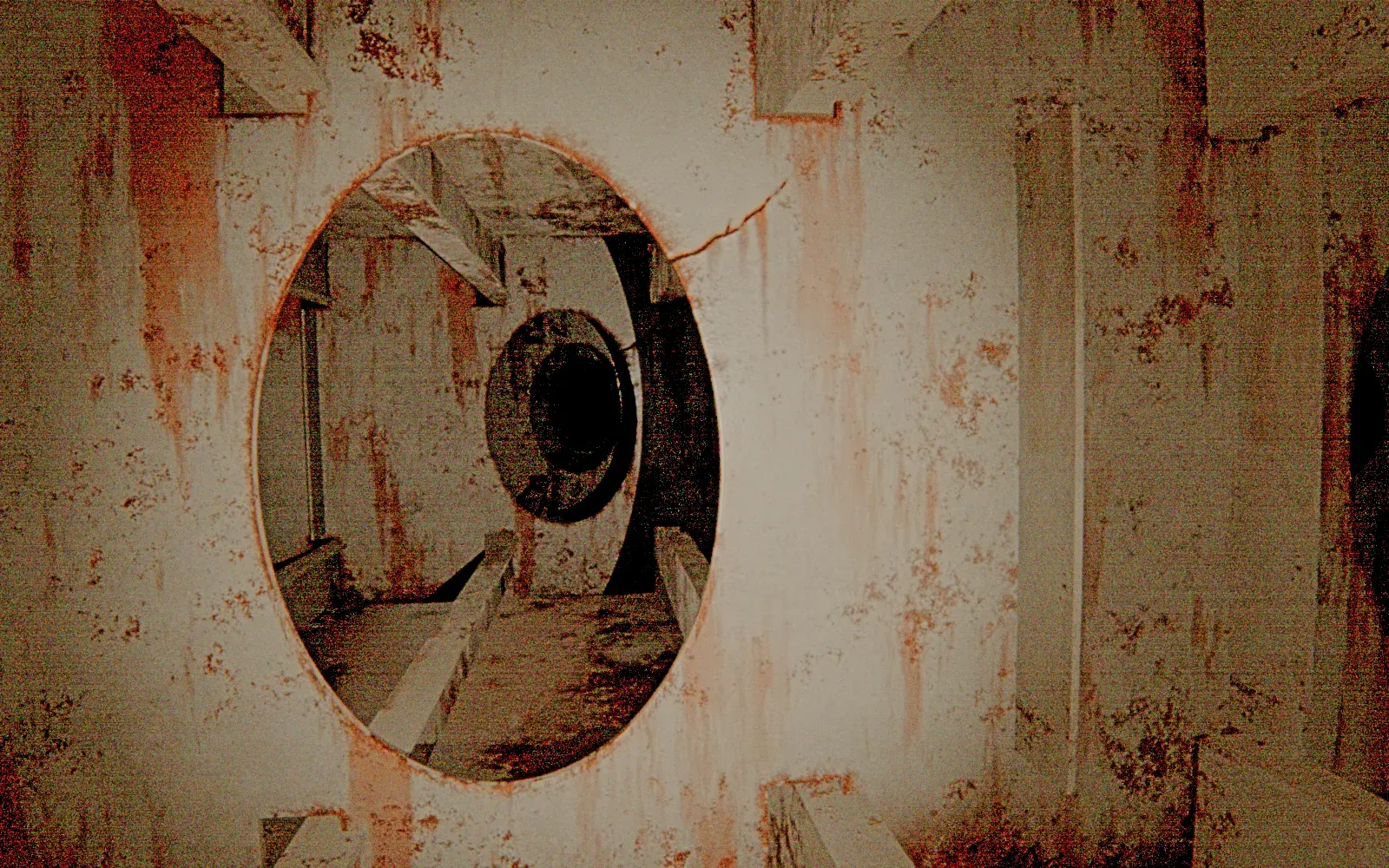
Ballast tanks, cargo holds and engine rooms — dimly lit enclosed spaces aboard ships. Beacon enhances footage from drones and ROVs on the ship’s own PC, making coating breakdown and corrosion easier to see.

The site
In drone tests in a dark space simulating a ship’s interior, ClassNK reported that image quality varies with the distance between drone and subject because of the illumination; as distance grows, ISO sensitivity rises and noise increases.
Beacon’s approach
Footage from lighted drones and cameras is processed offline on shipboard PCs. Enhancement after capture aims to ease the limits of light output and camera distance, and processing completes even with limited connectivity at sea.
Our work
From our base at NIT Yuge College, a center of maritime education, we will build dark-inspection data that records illuminance and shooting distance and run field trials. We welcome collaboration with shipbuilders, ship managers and classification experts.

Sources:ClassNK Technical Journal (FY2021 research)(opens in a new tab)

Expansion

03

Plant interiors

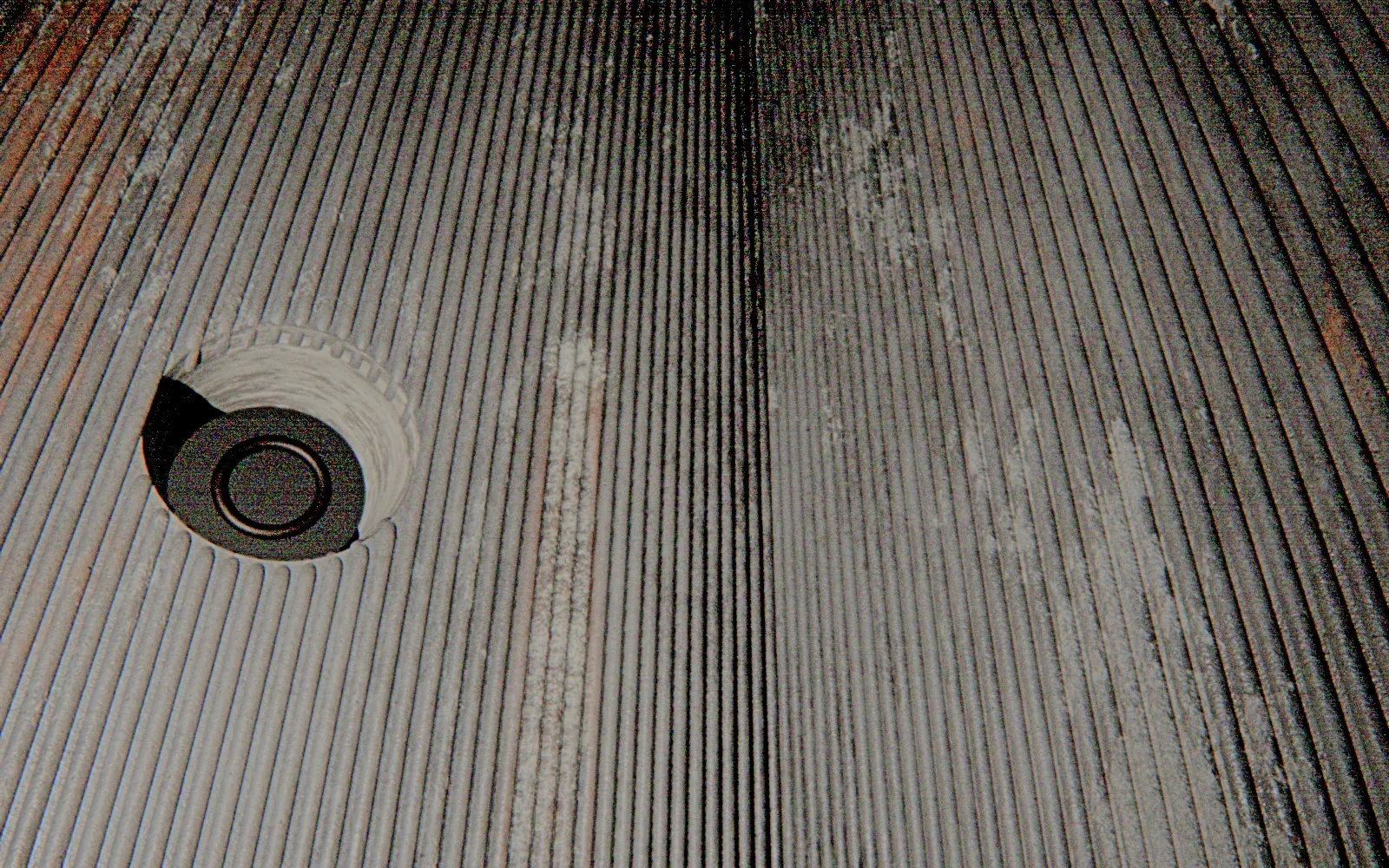
Inside boilers, flues, ducts and vessels. Beacon helps read signs of corrosion and leaks from footage captured during short inspection windows.

The site
Designated petroleum and petrochemical complexes recorded 443 accidents in 2024, and 56% of non-earthquake accidents stemmed from physical causes such as piping deterioration. In one power-plant case, putting up and taking down scaffolding for a boiler inspection took around 20 days each, and drone inspection is spreading.
Beacon’s approach
Because Beacon is software with no hardware of its own, footage from explosion-proof cameras and robots can be processed on PCs in non-hazardous areas such as control rooms.
Partnerships
We plan to reach this market through inspection companies and robot-operation platforms.

Sources:Fire and Disaster Management Agency (May 28, 2025)(opens in a new tab)Blue Innovation, JERA case study(opens in a new tab)

Expansion

04

Bridges & tunnels

The dark parts of infrastructure, such as the inside of bridge box girders and tunnels. Beacon helps inspectors read the footage they capture and keep comparable records.

The site
Box-girder interiors and tunnels fall outside lighting standards and stay dark day and night — and in the dark, image quality is known to vary with shooting distance.
Beacon’s approach
Deterministic processing — the same settings always give the same result — with low color error makes inspection records easier to compare over time.
Outlook
In the medium term, we aim to apply to MLIT’s Inspection Support Technology Performance Catalog.

Sources:MLIT, Inspection support technologies(opens in a new tab)ClassNK Technical Journal (FY2021 research)(opens in a new tab)

Expansion

05

Utility tunnels

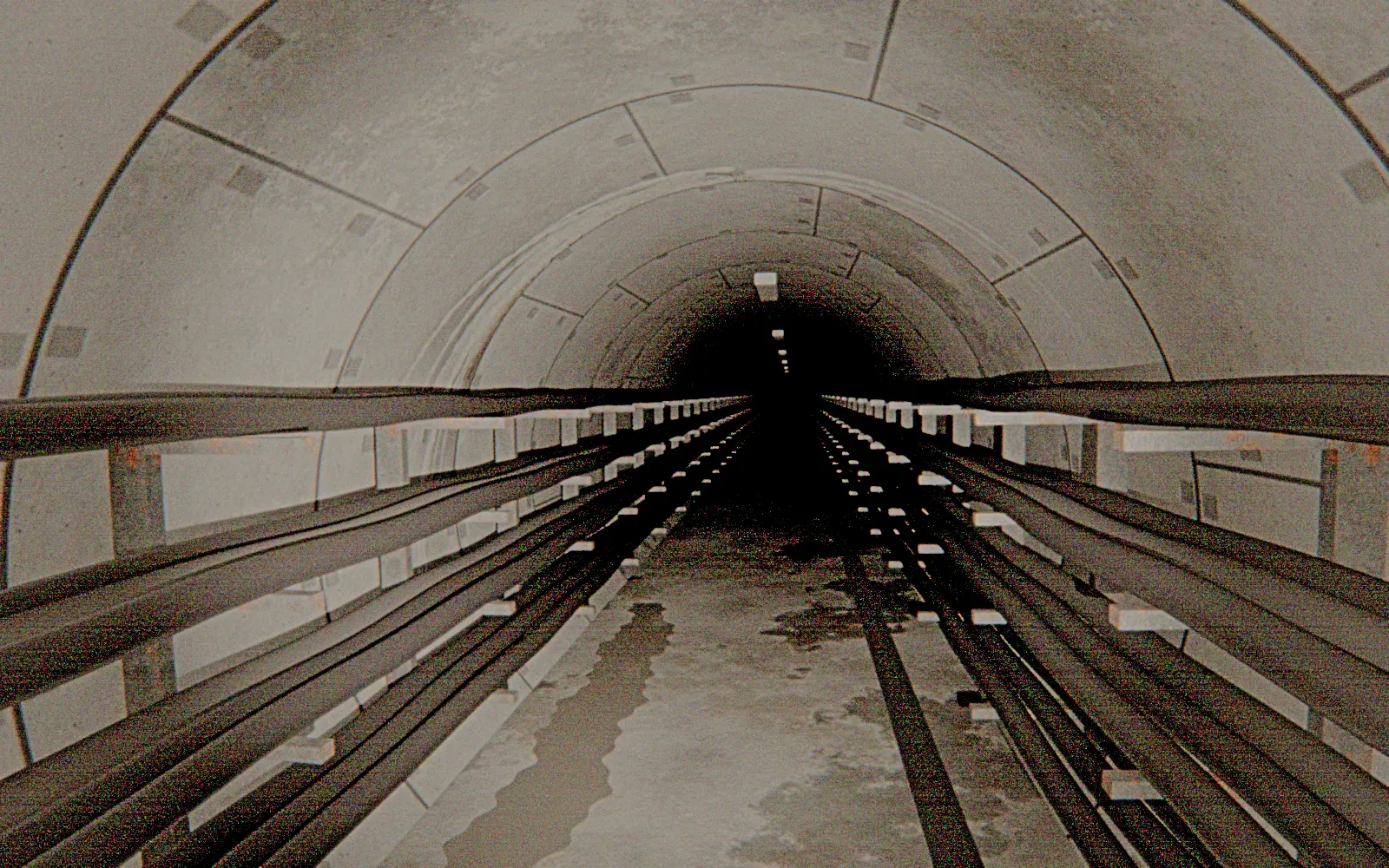
Underground tunnels carrying power cables and pipes. Beacon makes signs of equipment anomalies easier to read in patrol footage.

The site
Long, dark underground spaces. A power-cable fire inside a utility tunnel has been reported at a designated petrochemical site.
Beacon’s approach
Even underground, beyond the reach of radio signals, enhancement completes on the on-site PC alone.

Sources:Fire and Disaster Management Agency (May 28, 2025)(opens in a new tab)

Why Beacon

Beacon’s strengths in structurally dark spaces

  • Complements lighting

    Draws detail out of footage even where strong lighting cannot be brought in — aiming to allow smaller lights and longer camera distances.

  • Retrofits existing gear

    No need to replace cameras or drones. It also works on footage you have already recorded.

  • Works without a network

    Underground or inside a ship, processing completes on the on-site PC alone.

  • Record-ready images

    Low color error (lowest among the training-free methods tested) and reproducible results make enhanced images easy to keep as inspection records.

Next

Toward night-time monitoring

We will also bring our technology to night-time camera applications such as wildlife detection and maritime lookout, as an engine built for dark footage — designed to fit into existing detection cameras and lookout systems.

We are looking for validation partners

We are seeking inspection operators, asset owners and research institutions to run validations with real inspection footage.

Contact us

Contact

PoCs, joint research and media inquiries

We would love to hear from operators with dark inspection footage and from companies and research institutions interested in joint validation.